


MIS® Seven Compatible Abutments: What Labs Need to Know About Fit, Torque, and Connection Accuracy
Dr. Samuel Pacheco (DDS) | December 03, 2025
The MIS Seven platform remains one of the most widely used implant systems in clinics around the world. Its internal hex connection, tapered body design, and predictable restorative workflow make it a favorite among clinicians and labs alike. As demand grows, many laboratories are turning to compatible abutments that match MIS Seven’s connection geometry with reliable accuracy while remaining more cost efficient.
For labs handling both analog and digital workflows, understanding how MIS Seven compatible abutments are engineered is essential. Connection precision, torque stability, and machining tolerances directly impact the fit, strength, and long-term success of every restoration. This guide explains what laboratories need to know when selecting compatible abutments for MIS Seven cases.
Connection Geometry and Fit
The MIS Seven system uses a 2.45mm internal hex with a flat-to-flat interface that stabilizes the abutment during torque application. High-quality compatible abutments replicate this geometry with micron-level precision to ensure a secure, stable fit.
Key factors for labs to evaluate include:
- Hex accuracy: Even minor deviations can affect rotational stability.
- Platform height: Proper engagement ensures correct seating and reduced micro movement.
-
Machining tolerances: CNC production should maintain consistent dimensional accuracy across batches.
When the internal hex fit is accurate, restorative seating is predictable and the abutment remains stable under functional loading.
Torque Requirements and Screw Performance
Proper torque application is critical for preventing screw loosening and maintaining stability between the implant and abutment. MIS Seven abutments typically rely on torque values in the range of 25 to 30 Ncm, depending on the abutment type.
Compatible abutments should always include:
- Screws manufactured from medical grade titanium
- A precisely machined screw head that matches the driver interface
- Surface finishing that reduces friction during tightening
-
Verified torque tolerances that meet clinical expectations
Labs should ensure clinicians follow the recommended torque for the specific abutment type rather than relying on generic values.
Digital Workflow Compatibility
Labs working with CAD/CAM restorations need compatible abutments that align with digital production requirements. MIS Seven compatible options should support:
- Intraoral and model scanner accuracy
- Digital libraries that match the platform connection
-
Consistent margin height for predictable restoration design
Many modern compatible abutments are designed for both titanium base workflows and full digital customization, allowing labs to offer a wide range of restorative solutions.
Choosing Reliable Compatible Abutments
For predictable clinical outcomes, labs should select components produced using:
- Titanium Grade 5 (Ti-6Al-4V ELI)
- CNC machining for uniformity
- ISO cleanroom packaging
-
Batch-level traceability
These factors ensure the abutments behave reliably under functional forces and maintain long-term mechanical stability.
Labs looking for precision-matched options can explore a curated selection of abutment components designed for leading internal hex platforms to support both analog and digital restorative workflows.
Final Takeaway
MIS Seven compatible abutments give labs the flexibility to restore a highly popular implant system without compromising on accuracy, torque stability, or connection integrity. Understanding the engineering behind these components helps labs deliver predictable restorative outcomes while maintaining competitive pricing.
With proper fit, correct torque values, and consistent manufacturing standards, compatible abutments can perform at the same level as premium brand components, supporting both clinical success and operational efficiency.
References
- Binon PP. The effect of implant and abutment screw thread geometry on screw loosening. Int J Oral Maxillofac Implants. 2000;15(6):815–820.
- Khraisat A, Abu-Hammad O, Dar-Odeh N, Al-Kayed AM. Stability of the implant-abutment interface. Int J Oral Maxillofac Implants. 2004;19(4):578–585.
- Jörn D, Kohorst P, Besdo S, et al. Influence of abutment material and screw design on implant-abutment joint stability. Clin Implant Dent Relat Res. 2014;16(2):302–311.

OEMDent.com offers uncompromised quality, cost-effective dental implants & prosthetics compatible with leading implant systems. We go beyond manufacturing, offering OEM & Private Label services to meet your dental needs.
Continue reading
View all-

-

MIS® Seven Compatible Abutments: What Labs Need to Know About Fit, Torque, and Connection Accuracy
Dr. Samuel Pacheco (DDS) |
-

-
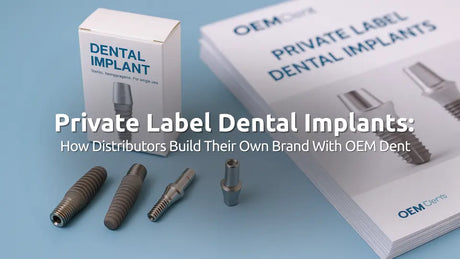
Private Label Dental Implants: How Distributors Build Their Own Brand With OEM Dent
Dr. Samuel Pacheco (DDS) |
-

Nobel Active® Compatible Implants: Balancing Precision and Affordability
Dr. Samuel Pacheco (DDS) |
-

From CAD Design to Clinical Reality: The Role of STL Files in Modern Implant Production
Dr. Samuel Pacheco (DDS) |
-
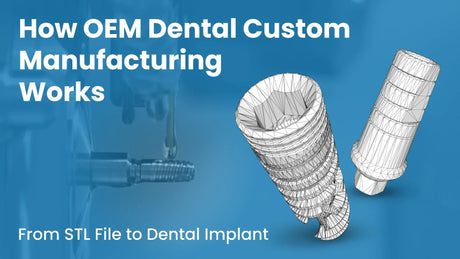
From STL to Implant: How OEM Dent Custom Manufacturing Works
Dr. Samuel Pacheco (DDS) |
-
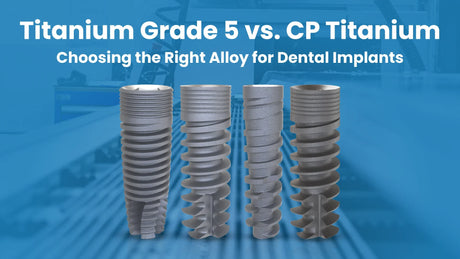
Titanium Grade 5 vs. CP Titanium: Choosing the Right Alloy for Implants
Dr. Samuel Pacheco (DDS) |


